OEM & ODM Professional Suppiler for Steel Furniture Solutions.


Language
OEM & ODM Professional Suppiler for Steel Furniture Solutions.
When comparing quotations for steel filing cabinets, steel wardrobes, steel cupboards, and other metal storage cabinets, many buyers focus only on price and the claimed thickness. This article explains why bare steel thickness should be clearly confirmed before placing an order, and why unit weight is another practical way to evaluate whether quotations are truly comparable. As a professional steel cabinet manufacturer, Furnitopper shares a straightforward sourcing perspective to help wholesalers, distributors, and project buyers avoid misleading offers, understand real material value, and choose more reliable steel cabinet solutions for long-term business.
When buyers compare quotations for a steel filing cabinet, steel wardrobe, steel cupboard, or other metal storage cabinets from China, the conversation often starts the same way: price first, thickness second, and then delivery time.
But in the steel cabinet business, that is not enough.
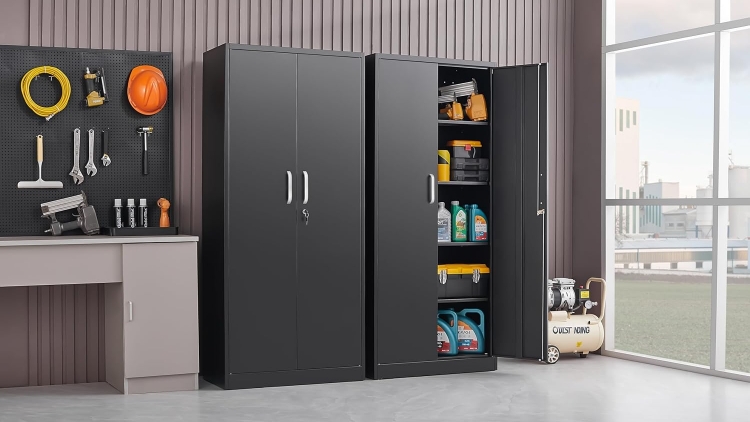
If you only compare price and a claimed “thickness,” you may not be comparing the same product at all. Some suppliers quote a painted thickness. Some quote a nominal figure without making it clear whether it is the bare steel sheet. Some quote a low price first and leave the buyer to discover the difference later in product weight, rigidity, and long-term durability.
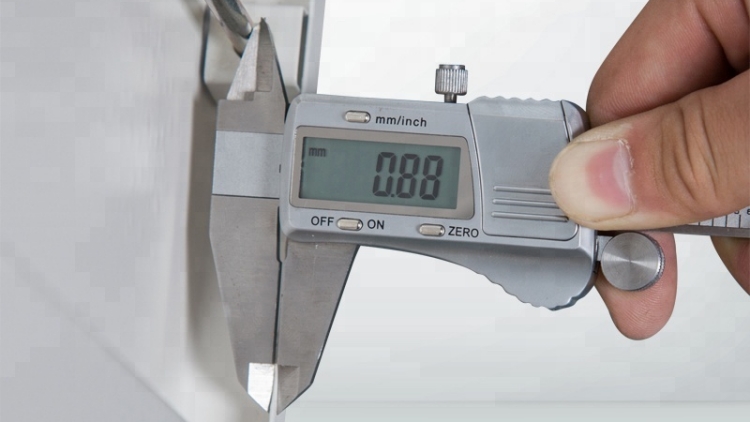
At Furnitopper, we believe buyers should ask one question very clearly before judging any steel cabinet quotation:
What is the bare steel thickness?
Here is why that matters.
What does “bare steel thickness” mean?
Bare steel thickness means the thickness of the steel sheet itself before powder coating or surface finishing.
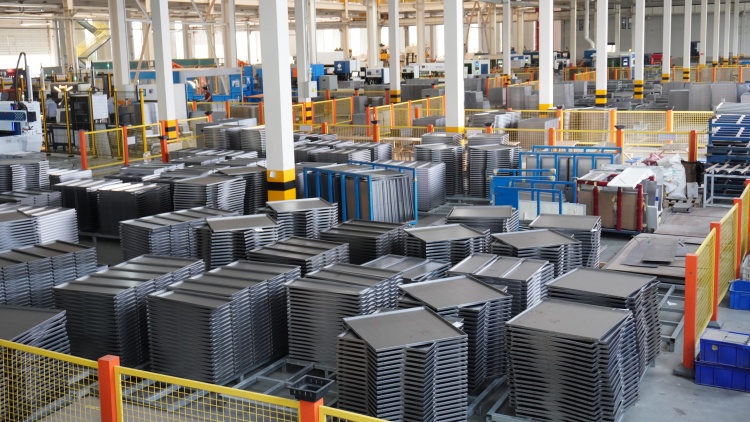
This is important because powder coating adds film build to the surface. In industrial finishing, powder coat thickness is commonly measured in microns or mils rather than in the same way buyers discuss cabinet sheet thickness, so if a supplier only says “0.6 mm” without clarifying whether that is before or after coating, the quotation may not be as clear as it sounds.
For buyers, the safer way to compare quotations is simple:
ask for the bare steel thickness in mm.
Why is this such a common problem in steel cabinet quotations?
Because low prices are easy to show on paper.
In many quotation comparisons, buyers are given a price, a rough thickness claim, and a product photo. But if the steel is thinner than expected, the supplier can reduce cost quickly without making the cabinet look very different in a photo.
That is where many procurement mistakes begin. On the surface, two steel filing cabinets or two steel wardrobes may look similar. But when the steel sheet is thinner, the cabinet usually feels lighter, less stable, and more vulnerable to dents or deformation in real use.
For that reason, serious buyers should not ask only, “What thickness is it?”
They should ask, “What is the bare steel thickness, and how are you defining it?”
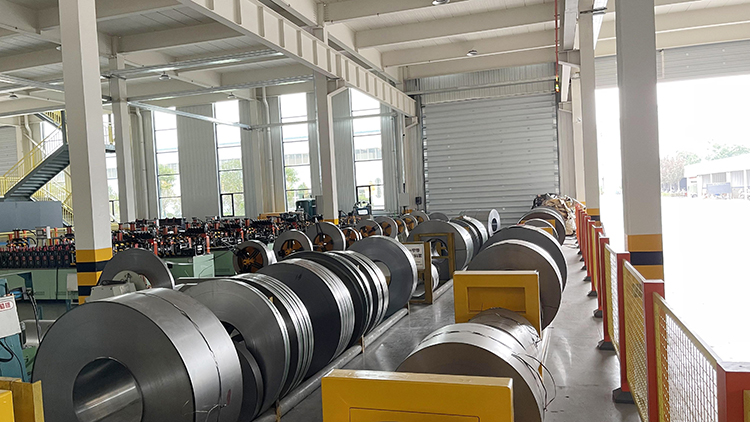
Is gauge enough, or should buyers ask for millimeters?
Buyers should ask for millimeters.
Gauge is widely used in metalworking, but gauge is not a direct metric dimension by itself. It is a standardized reference system, and actual thickness must be converted into inches or millimeters. For steel, lower gauge numbers mean thicker steel, but buyers should still confirm the exact mm value instead of relying on gauge language alone.
In export business, using mm is usually clearer and easier for quotation comparison, especially when several suppliers are involved.
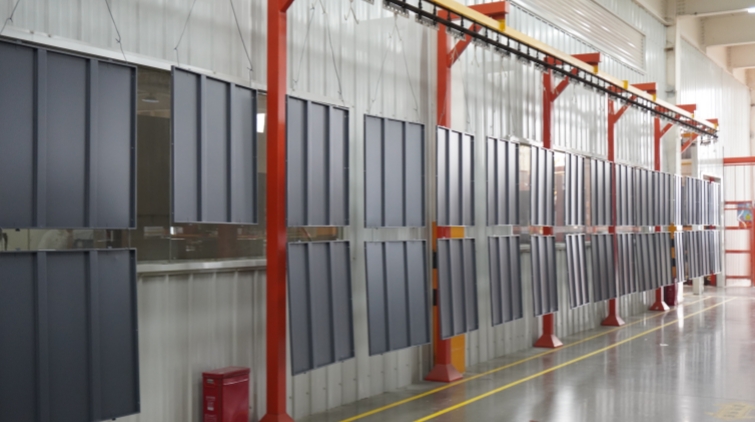
Why do we recommend comparing unit weight too?
Because weight helps buyers verify whether the steel consumption is in the right range.
For steel sheet, theoretical weight depends on thickness, width, length, and density. That means when cabinet size, structure, and configuration are broadly comparable, unit weight becomes a practical cross-check. A very large weight gap often signals that the steel usage is not actually the same. That is a reasonable procurement inference from how sheet weight is calculated.
Of course, weight is not the only factor. Locks, reinforcements, drawer slides, shelves, and design details also affect total weight. But for similar steel filing cabinets, steel cupboards, or metal wardrobes, weight comparison is still useful.
That is why we usually tell buyers to do two things together:
ask for the bare steel thickness,and compare the unit weight.
What happens when buyers focus only on the lowest price?
Usually, something has to be reduced somewhere.
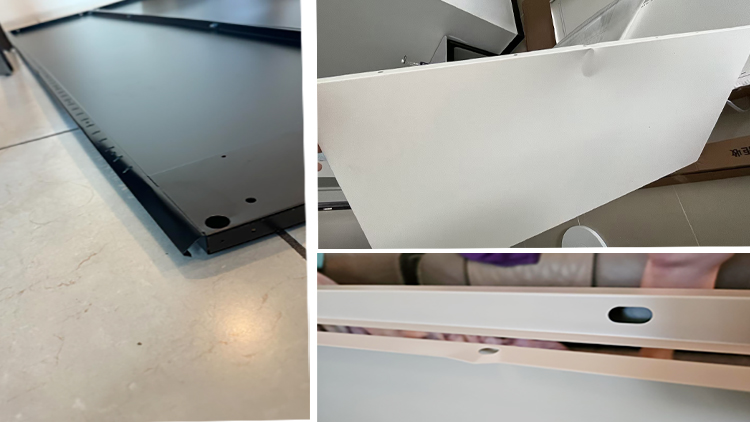
In the steel cabinet industry, suppliers under heavy price pressure may reduce steel thickness, simplify reinforcement, lower accessory quality, or cut internal structure where it is harder for the buyer to see immediately.
This is why very low quotations should be read carefully. A low price does not always mean better buying. Sometimes it only means less steel.
For bulk buyers, importers, distributors, and project contractors, that difference shows up later in complaints, weaker cabinets, damaged goods, and repeat-order hesitation.
What is Furnitopper’s way of quoting steel cabinets?
At Furnitopper, we quote based on bare steel thickness.
We do that because it is the more honest way to discuss a steel filing cabinet, steel wardrobe, steel cupboard, or custom metal cabinet. It gives the buyer a clearer reference point and makes quotation comparisons more transparent.
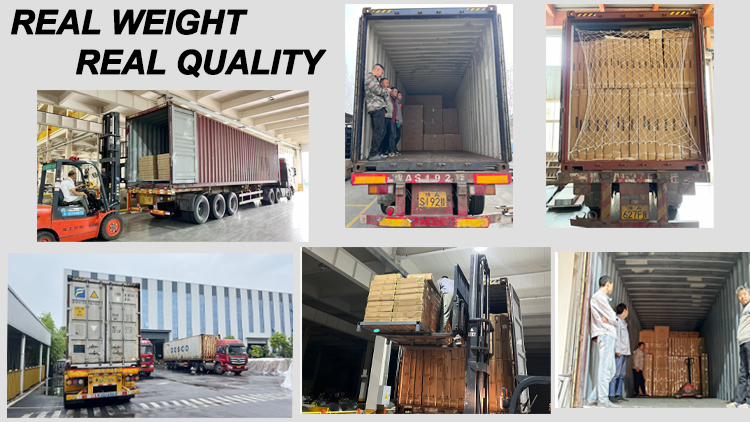
In real business, some customers tell us our price looks higher at first. But very often, after comparing the product more carefully, they also notice something else: our cabinets are heavier.
We hear that not only from buyers, but even from loading workers during container loading. They often say our cabinets feel heavier than many others from the market.
For us, that is not a complaint. It is proof that the material is there.
What should buyers ask before placing an order?
For a steel filing cabinet, steel wardrobe, steel locker, metal cupboard, or other steel cabinets, we recommend buyers confirm the following:
What is the bare steel thickness in mm?
Is the quoted thickness before coating or after coating?
What is the unit weight of the cabinet?
What are the dimensions and main structural details?
Are reinforcements, shelves, locks, and accessories included in the quoted specification?
These questions are simple, but they can prevent a lot of unnecessary confusion later.
Why does this matter for long-term business?
Because long-term business is built on consistency.
A buyer may accept one low-price order once. But if the product arrives lighter than expected, weaker than expected, or different from the quotation logic, trust is lost very quickly.
In steel furniture, honest communication is not a slogan. It is a business method.
At Furnitopper, we believe the right way to quote is to be clear from the beginning. That is why we tell customers the bare steel thickness, explain the structure honestly, and welcome weight comparison.
Because in the end, durable cooperation does not come from the lowest number on the first quotation sheet.It comes from quoting the product as it really is
Final Thoughts
If you are sourcing steel filing cabinets, steel wardrobes, steel cupboards, or other metal storage cabinets from China, do not judge a quotation by price alone.
Always ask for the bare steel thickness.
Always compare the unit weight.
Then review the quotation as a whole.
This simple step can help buyers avoid misleading comparisons, understand product value more clearly, and choose a more reliable steel cabinet manufacturer for long-term business.
Looking for a steel cabinet manufacturer that provides clear bare steel thickness, honest specifications, and dependable product quality? Contact Furnitopper to discuss your project and cabinet requirements.
In China, We hope to establish business relationship with you in the near future and time will testify that we will be your pleasant and trustworthy cooperation partner.
Welcome to contact us and visit our company.
MOQ=50pcs/item
PRODUCT LIST
QUICK LINKS
CONTACT US
Tel: +86 (0)379 65999106
E-mail: info@furnitopper.com
WhatsApp: +86 18338800729

Furnitopper, one of the leading manufacturers of steel furniture in China, is specialized in a wide range of steel furniture including KD structure metal filing cabinets and steel lockers, mobile pedestals and caddies, stainless steel series, student desk and chairs, dormitory beds, different kinds of metal storage shelves and other related steel furniture.