OEM & ODM Professional Suppiler for Steel Furniture Solutions.


Language
OEM & ODM Professional Suppiler for Steel Furniture Solutions.
If you manufacture or trade steel filing cabinets and are eyeing the U.S. market, you're not alone. The demand is real, especially in sectors like education, healthcare, government, and commercial offices.
But tapping into this opportunity takes more than just quoting a price and booking a shipment. The U.S. has clear expectations when it comes to product safety, quality, durability, and yes — even packaging. The good news? You don't need a legal degree or technical background to understand what's required.
Let's break it all down — simply and clearly — so that both experienced exporters and first-time sellers can understand.
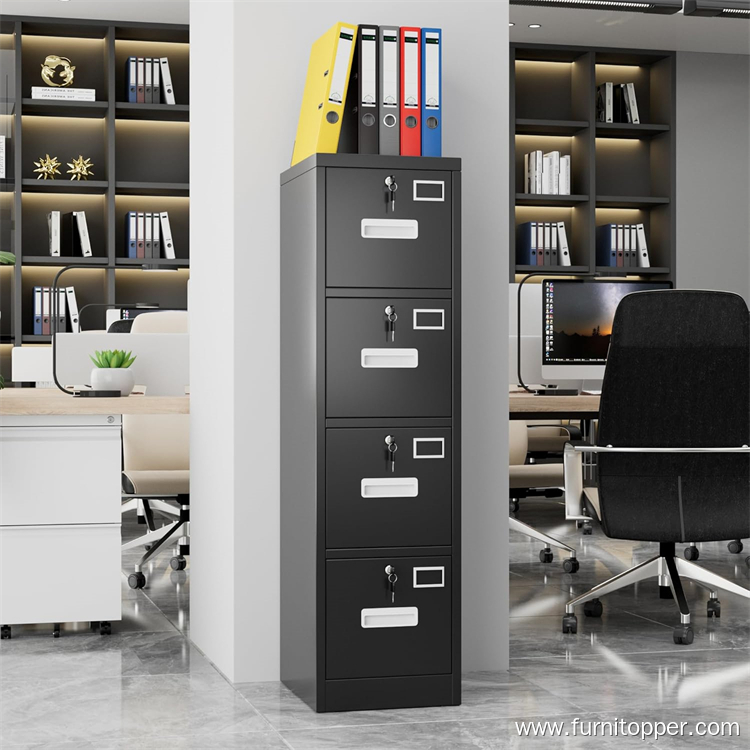
1. Safety First — U.S. Buyers Expect It by Default
Steel filing cabinets may seem like simple products, but they come with certain safety expectations — especially in a market where liability is a big issue.
The most important concern? Tip-over prevention.
In the U.S., there have been multiple child injuries and accidents caused by cabinets tipping forward when multiple drawers are opened. This has made anti-tip design a priority.
What that means for you:
● Interlocking drawers are preferred — opening one drawer locks the others.
● Base stability matters — adding adjustable leveling feet or anti-tilt brackets is a plus.
These features aren't always legally required, but if you're selling to schools, hospitals, or government offices, your buyers may demand them.
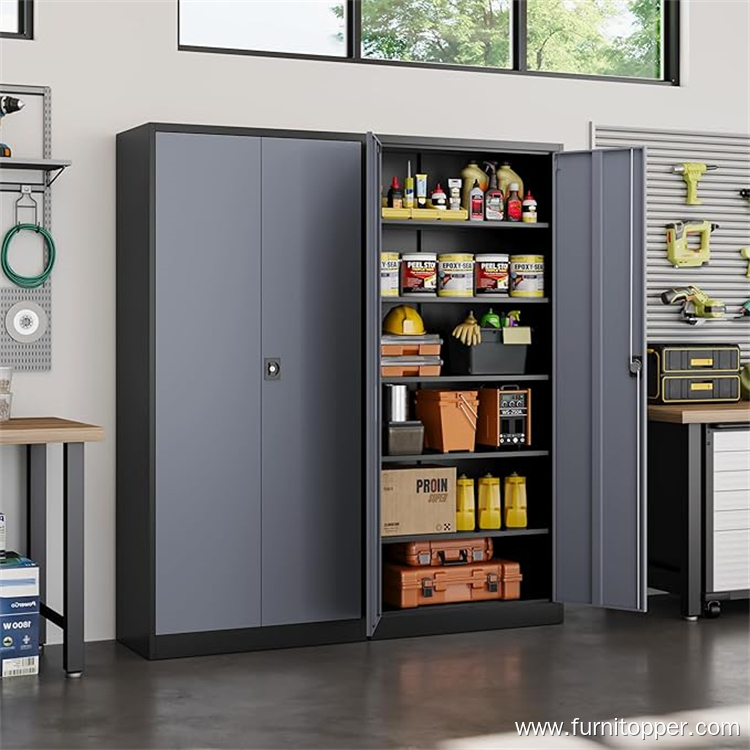
2. Use Non-Toxic, Durable Materials
Steel furniture buyers in the U.S. are concerned not only with how strong your cabinet is, but also what it's made of.
Here's what to keep in mind:
● Your powder coating should be non-toxic and lead-free. Many American buyers refer to RoHS standards (even though it's an EU directive) as a benchmark.
● Complying with EPA (Environmental Protection Agency) guidelines on hazardous materials is important for large-volume buyers, especially those in institutional sectors.
Odor matters too — some buyers will reject cabinets with strong chemical smells.
Even if you're not required to provide certifications, being transparent about your materials builds trust — and helps you stand out from low-quality competitors.
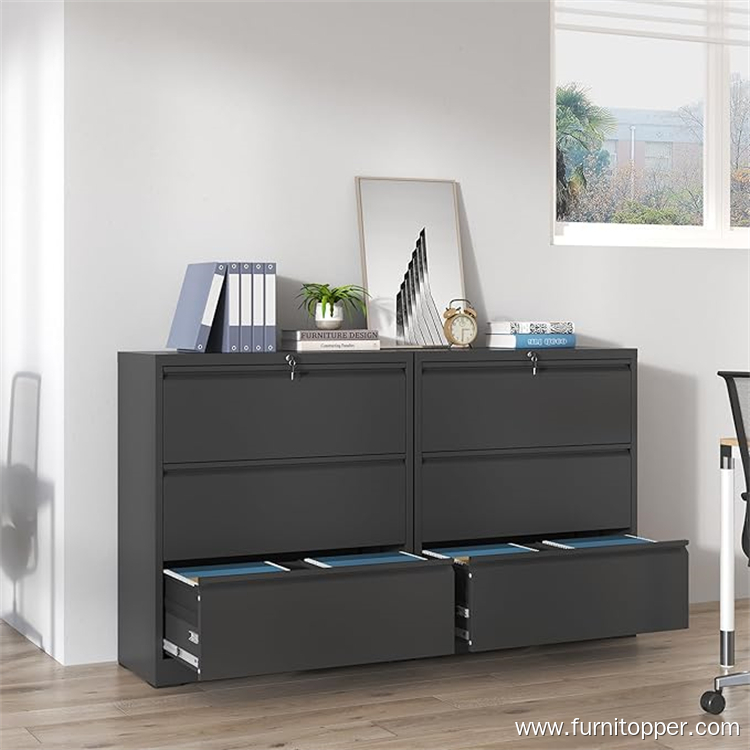
3. Think About Durability — Steel Thickness Isn’t Regulated, But It’s Noticed
There's no official rule on how thick your steel must be, but your customers will notice if it's too thin. A flimsy cabinet feels cheap — and that can affect your reputation quickly.
For U.S. buyers:
● 0.6 mm to 1.0 mm cold-rolled steel is commonly accepted
● Anything under 0.5 mm may feel weak, especially for commercial use
Don't let thin material cost you long-term business. In this market, you get one chance to make a good first impression.
4. Optional Certifications That Give You an Edge
Steel filing cabinets don't require mandatory third-party certification in the U.S., but having the right documents can help close deals — especially with larger clients.
Here are three worth knowing:
▶ BIFMA (Business and Institutional Furniture Manufacturers Association)
While not a legal requirement, BIFMA testing (on strength, stability, durability) is a gold standard for office furniture. Many corporate buyers ask for it by name.
▶ GREENGUARD Certification
This proves your cabinet doesn't emit harmful VOCs (volatile organic compounds). Ideal if your buyer cares about indoor air quality — schools, medical offices, and modern workspaces often do.
▶ Fire Resistance Ratings
Some states (especially California) require fire-tested materials for certain public-use environments. You might be asked to show a UL 94 rating or other documentation for flame retardancy.
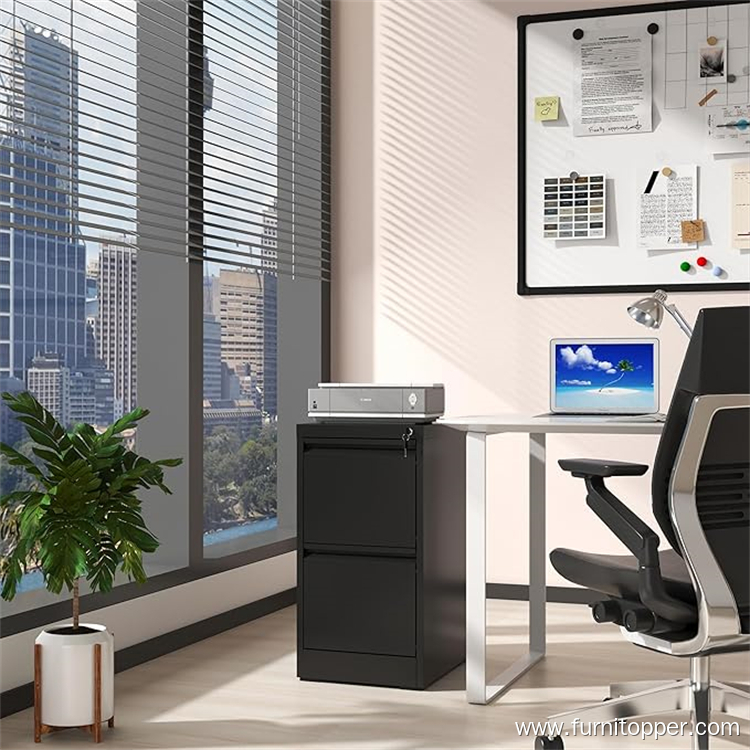
5. Packaging Matters — A Lot More Than You Think
It's easy to focus on the product and forget about the box. But in the U.S., if your cabinet arrives damaged, the customer might not even try to fix it — they'll return it or leave a bad review.
Here's what works:
♦ Use high-density foam, reinforced corners, and double-layer cartons
♦ Add wooden pallets or frames for LCL or long-distance shipping
♦ Label clearly with: "Fragile", "This Side Up", and handling instructions
♦ Take photos before shipping — especially if it's a custom order
It's not just about protecting your cabinet. It's about protecting your reputation.
Final Thoughts: U.S. Buyers Want Trust — Not Just Price
If you're serious about entering or growing in the U.S. market, the path is clear:
☑ Prioritize safety
☑ Be transparent about materials
☑ Build durability into your design
☑ Package smart
☑ Learn the rules (including taxes — coming soon!)
Remember, American buyers aren't just comparing prices. They're comparing confidence. And when your product shows quality, responsibility, and care — the price becomes a conversation, not a barrier.
In China, We hope to establish business relationship with you in the near future and time will testify that we will be your pleasant and trustworthy cooperation partner.
Welcome to contact us and visit our company.
MOQ=50pcs/item
PRODUCT LIST
QUICK LINKS
CONTACT US
Tel: +86 (0)379 65999106
E-mail: info@furnitopper.com
WhatsApp: +86 18338800729

Furnitopper, one of the leading manufacturers of steel furniture in China, is specialized in a wide range of steel furniture including KD structure metal filing cabinets and steel lockers, mobile pedestals and caddies, stainless steel series, student desk and chairs, dormitory beds, different kinds of metal storage shelves and other related steel furniture.